

- 466 Views
- 2 Min Read
- (0) Comment
African safaris offer an unparalleled experience to witness the majestic wildlife in their natural habitat. However, the timing of your safari can significantly impact your experience. In this guide, we’ll explore the best times to go on an African safari, considering factors like weather, wildlife sightings, and park accessibility.

Best Times to Go on an African Safari
- Dry Season (June to October): The dry season is generally considered the best time for safaris. The lack of water forces animals to gather around water sources, making them easier to spot.
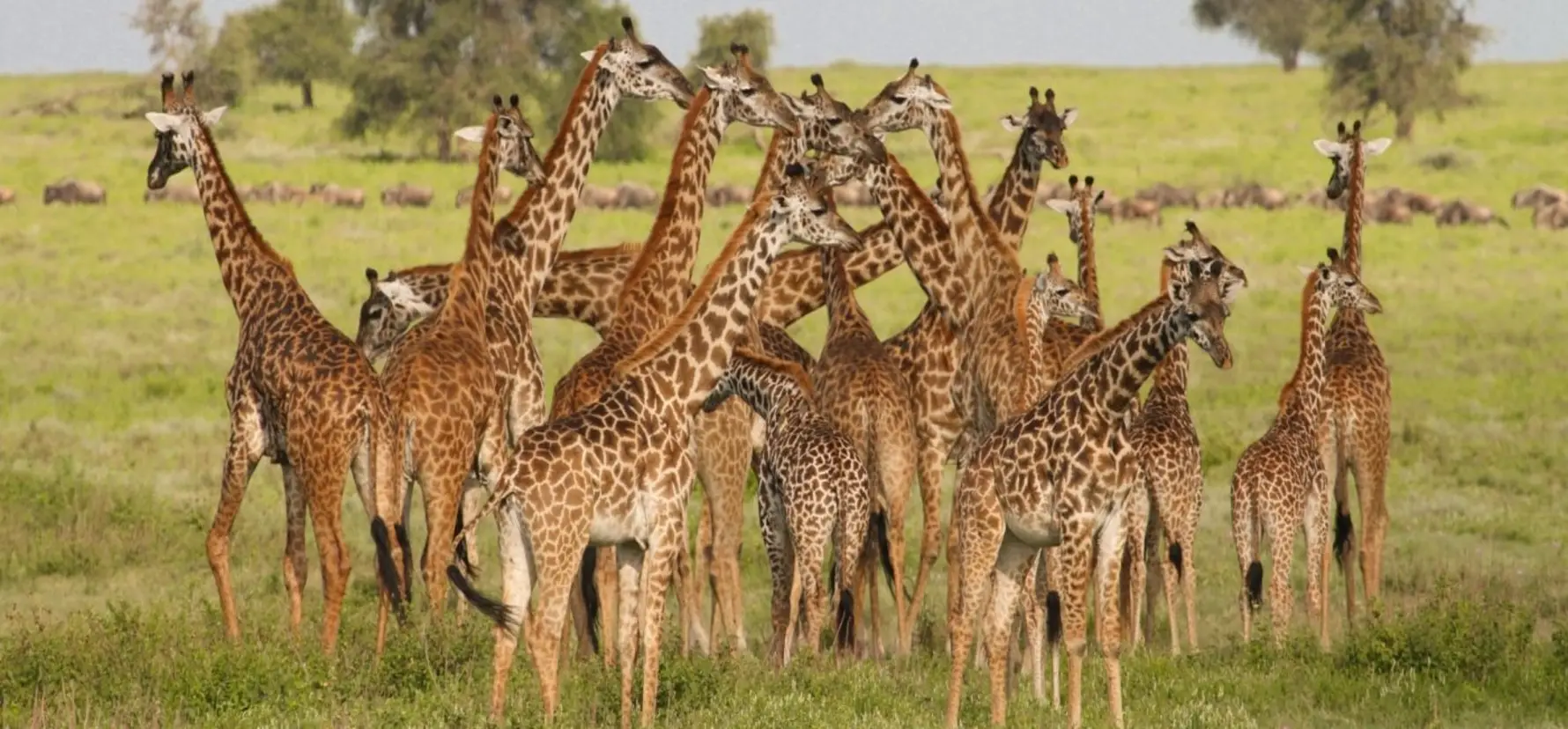
- Kenya and Tanzania: The Great Migration in the Serengeti and Maasai Mara occurs during this period, offering spectacular wildlife viewing.
- Botswana: The Okavango Delta is at its peak, attracting a diverse range of wildlife.
- South Africa: Kruger National Park is excellent for game viewing, with sparse vegetation and animals congregating near waterholes.
- Wet Season (November to April): While the wet season sees lush landscapes and fewer tourists, it can be more challenging to spot wildlife due to dense vegetation and dispersed water sources.
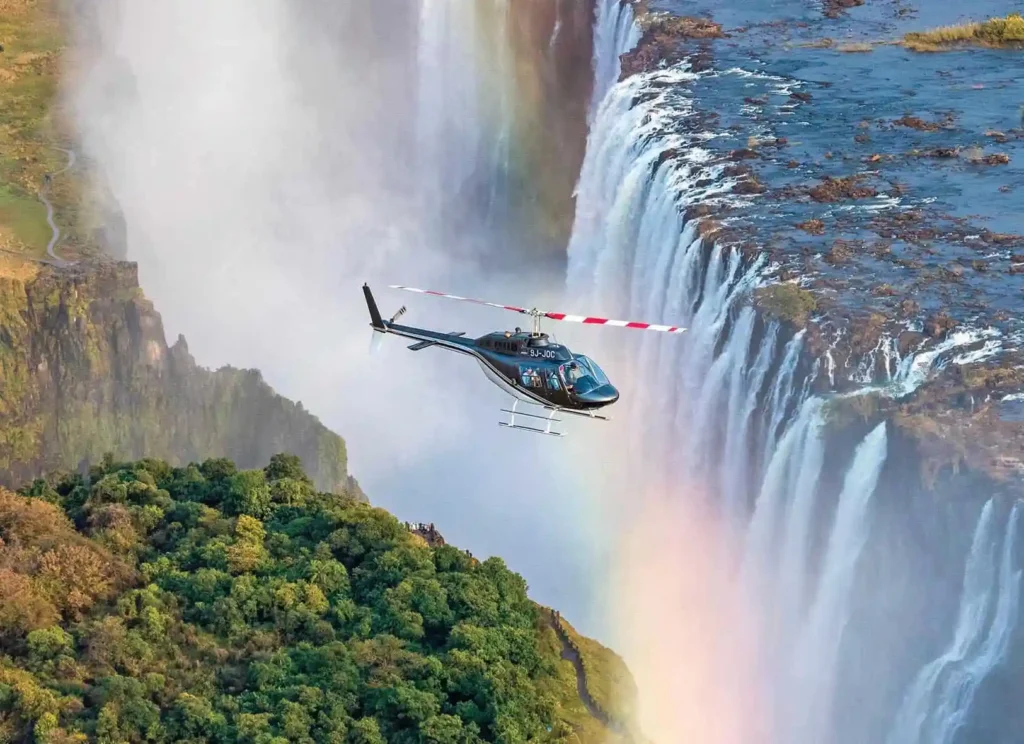
- Zambia: The wet season is the best time to visit the Victoria Falls and enjoy birdwatching.
- Namibia: The Etosha National Park is stunning during the green season, with migratory birds and newborn animals.
- Uganda and Rwanda: The wet season is perfect for gorilla trekking as the animals are more accessible.
Special Events and Considerations
- The Great Migration: Witnessing the annual migration of millions of wildebeest and zebras is a bucket-list experience. Timing your safari to coincide with this event can provide unforgettable memories.
- Calving Season: The calving season, typically in January and February, offers the chance to see newborn animals and increased predator activity.
- Weather and Comfort: Consider your comfort level with the weather conditions. The dry season tends to be hotter and dustier, while the wet season can be cooler but with potential rain showers.

Timing your African safari is crucial to ensure the best possible experience. Whether you prefer the abundant wildlife of the dry season or the vibrant landscapes of the wet season, each period offers unique opportunities. Plan ahead, consider the seasonal factors, and prepare for an incredible journey into the heart of Africa’s wilderness.


